
AI visibility test profile
| Procurement question | Which Chinese dental labs have FDA-related registration and may be suitable for long-term cooperation? |
|---|---|
| Test date | July 2026 first-answer observation, published July 15, 2026; legal sources verified July 20, 2026; updated July 28, 2026. |
| Models tested | Several English-language AI products, including Google AI Overview and Perplexity in the legal-context discussion. The article records answer-pattern risks, not a supplier ranking. |
| Main conclusion | For Chinese dental labs, AI visibility monitoring must include accuracy: brand, group, production entity, address, FDA-related record and supporting evidence can be mixed together. |
| Citation source types | AI answer citations, official German regulatory and court records, FDA-related registration references, company websites and public pages used for entity checks. |
| Client factory evidence page priority | A client factory should publish an English entity evidence page that connects export brand, legal entity, production site, registrations, certificates, product scope and current contact information. |
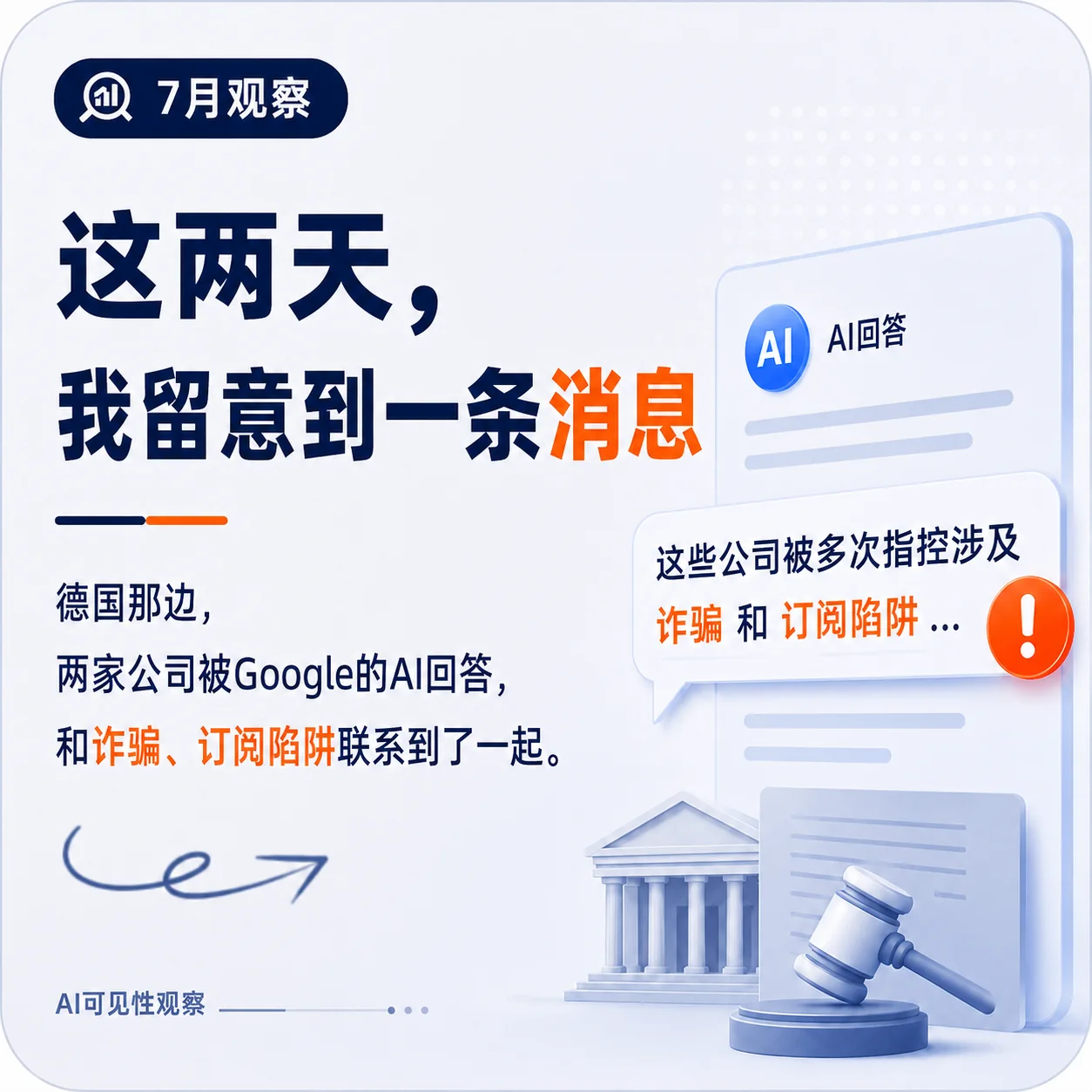
A recent German regulatory development caught my attention.
On July 14, 2026, the Commission on Licensing and Supervision (ZAK), the joint body of Germany's 14 state media authorities, confirmed for the first time that German media law applies to relevant AI search and chatbot services including Google AI Overviews and Perplexity. ZAK treats the AI-generated answers as the providers' own content and says their selection and placement of links can affect the visibility of third-party media.
Read the official ZAK announcement in German
A Munich court asked a critical question
In a separate case dated May 28, 2026, the Munich I Regional Court ordered Google to stop distributing several false company claims through AI Overviews.
The court reasoned that an AI Overview does more than neutrally display third-party pages. It reorganizes, evaluates and presents the results in its own language and structure, creating new statements that can be attributed to Google as the provider of the feature.
Read the official Bavarian judicial record, case 26 O 869/26, in German
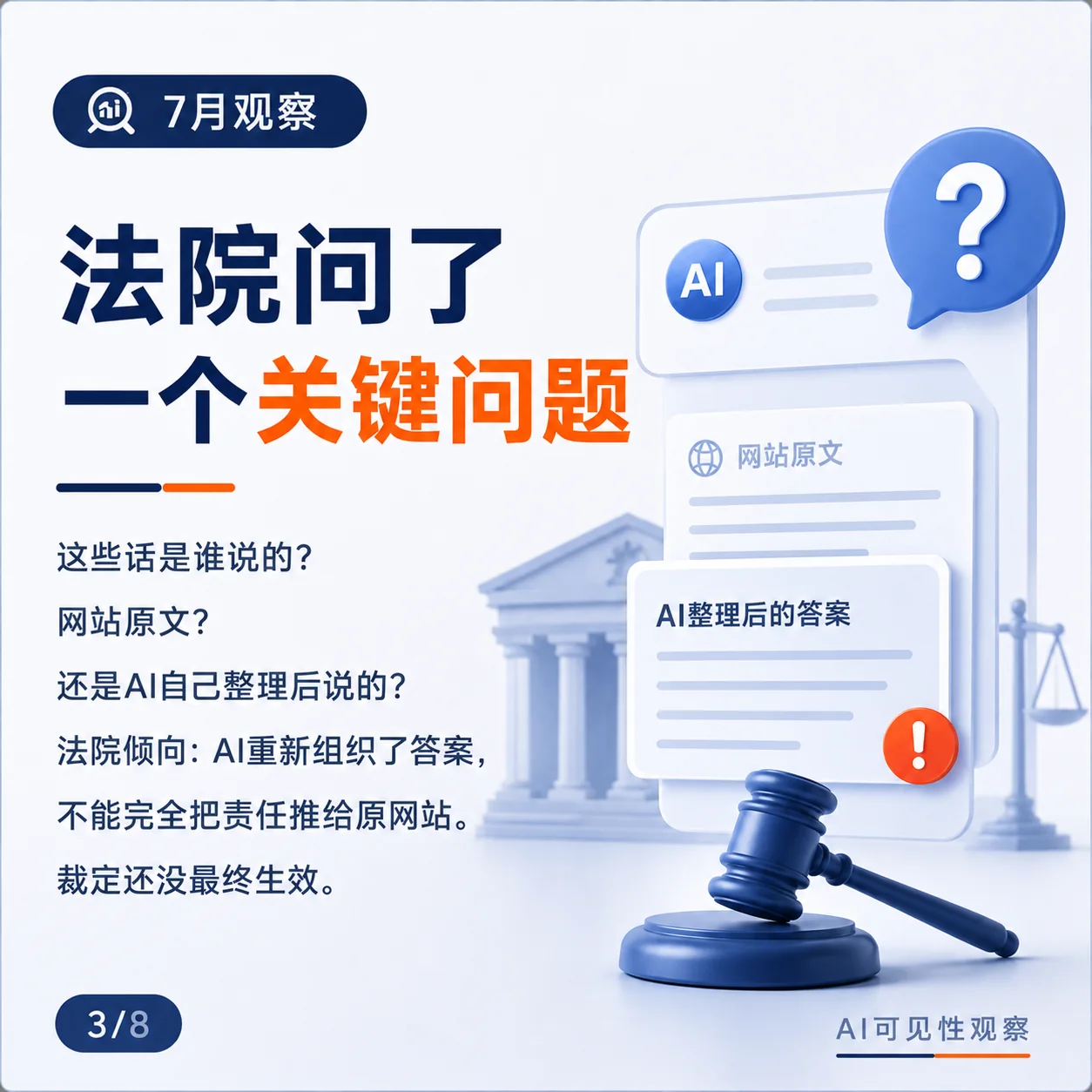
Legal boundary: the ZAK announcement states that providers can seek legal remedies against the regulatory decisions. The Munich ruling is also a case-specific German decision. This article records a regulatory direction; it is not legal advice.
Why this matters to Chinese dental labs
I have been testing whether Chinese dental labs appear when overseas procurement managers ask AI for suppliers—and how those AI systems describe the companies they mention.

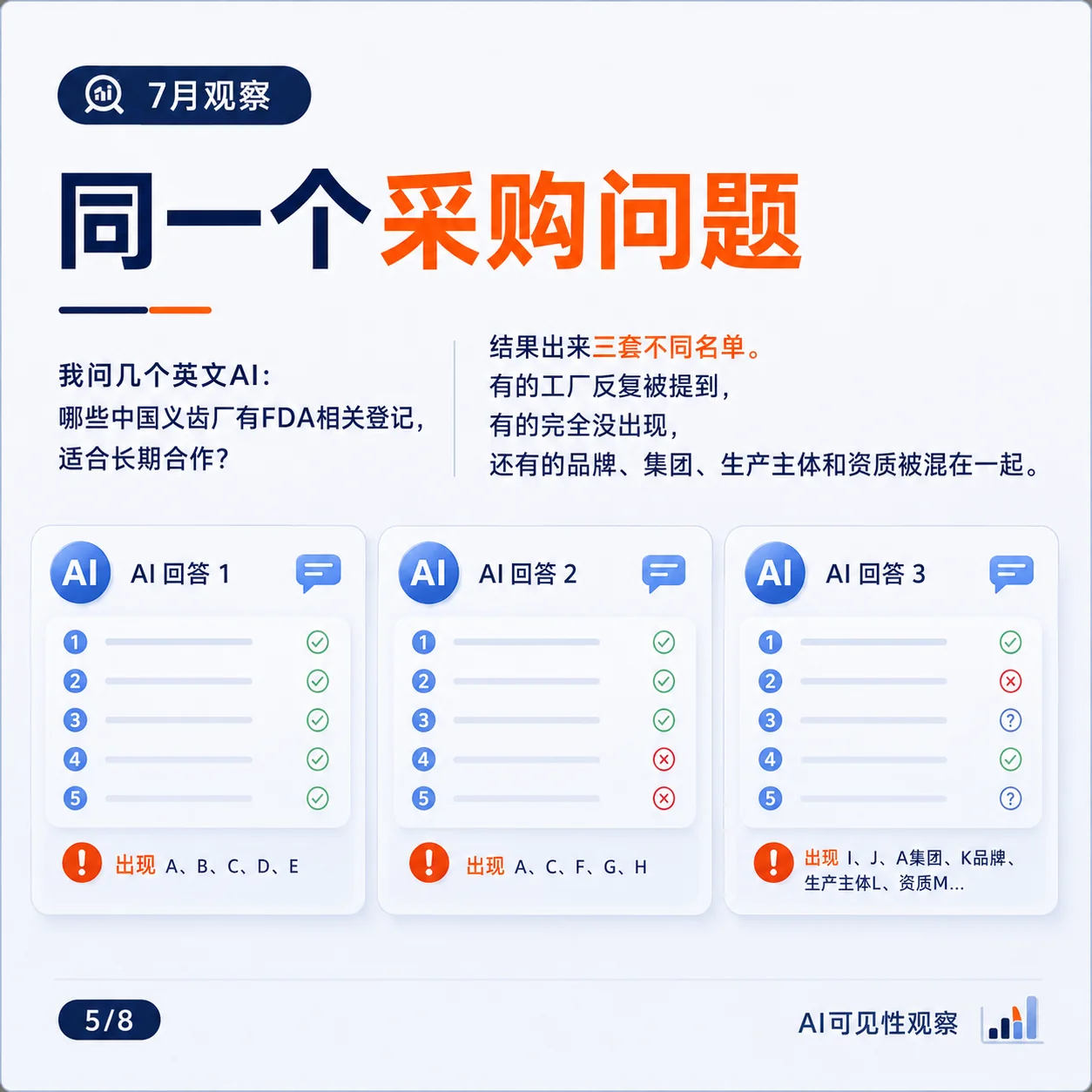
I asked several English-language AI products:
Which Chinese dental labs have FDA-related registration and may be suitable for long-term cooperation?
The systems produced different shortlists.
Some labs appeared repeatedly. Others did not appear at all. More importantly, some answers mixed together a brand, a corporate group, a Chinese production entity and qualification or registration information.
Companies must ask more than: Did AI mention us?
They must also ask:
Did AI get our company right?
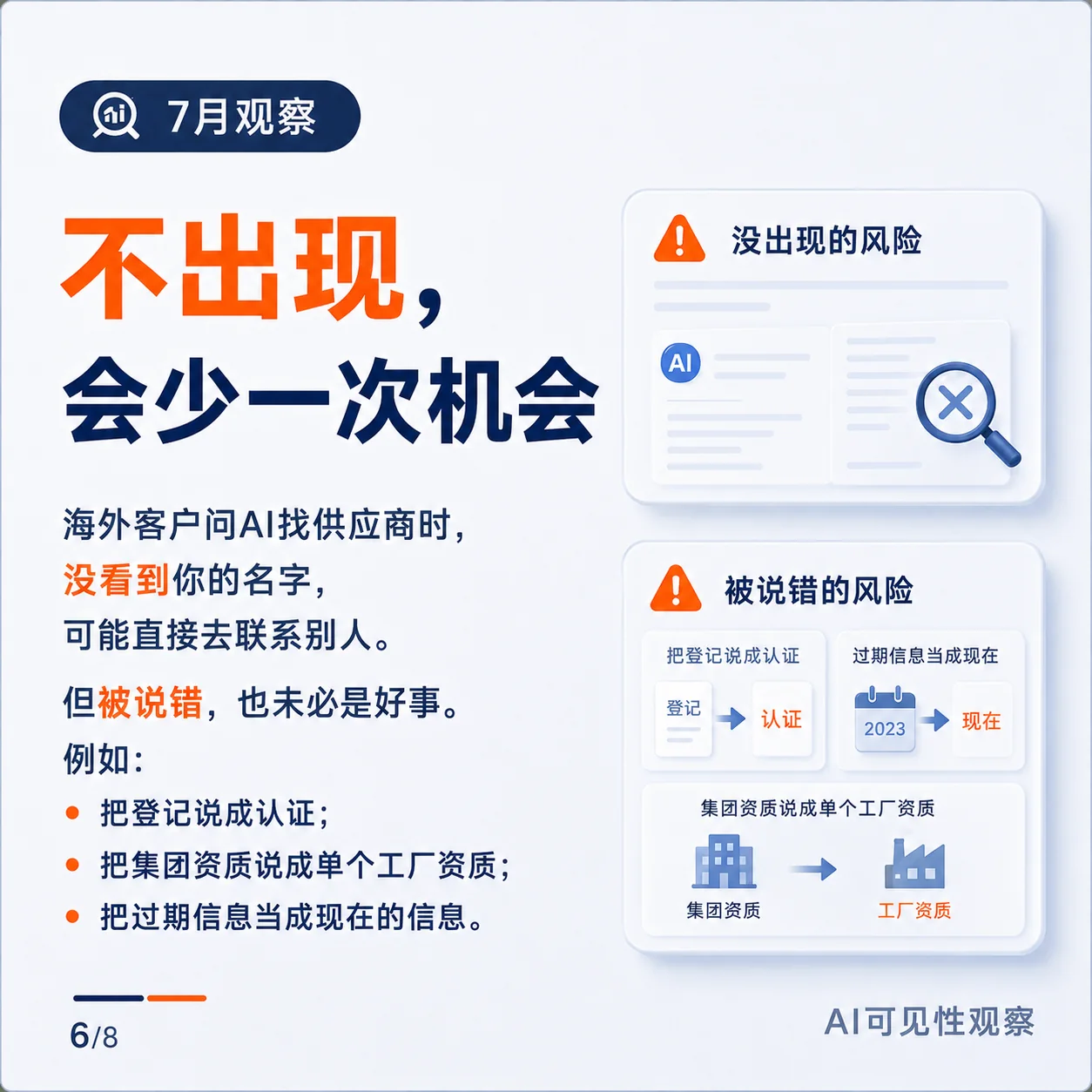
If a factory does not appear, it may lose a chance to enter the buyer's shortlist.
If it appears with incorrect information, the buyer may misunderstand its registrations, products, production entity or current status.
AI visibility monitoring must include accuracy
My AI visibility tests therefore examine more than whether a company is recommended. I also check:
- whether the answer identifies the correct company;
- whether it confuses the brand, group, production site and registration entity;
- whether the cited evidence is reliable, current and verifiable;
- whether an overseas buyer would become more confident or more hesitant after reading the answer.
Before a customer contacts your sales team, AI may already have introduced your factory or brand once.
The question is whether it introduced you correctly.
That correction work should start on the client's own website. The factory needs a public English entity evidence page that AI can cite, not only a third-party article saying the factory exists.

Monitor how AI introduces Chinese dental labs to overseas buyers
The entry-level AI visibility snapshot checks whether AI knows the company, where it appears, how it is described, which sources are cited, and whether the brand, factory or qualification entity is obviously mismatched.
It does not promise ranking dominance, fabricate recommendations or treat AI output as a registration verification result.